How Solar Energy Can Save You Money

Solar energy is not just a buzzword; it’s a practical solution that can significantly reduce your energy bills and contribute to a sustainable future. As energy prices continue to rise, many homeowners are looking for ways to cut costs without sacrificing comfort. In this blog post, we will explore how solar energy can save you money, the benefits of switching to solar, and practical steps to make the transition.
Understanding Solar Energy
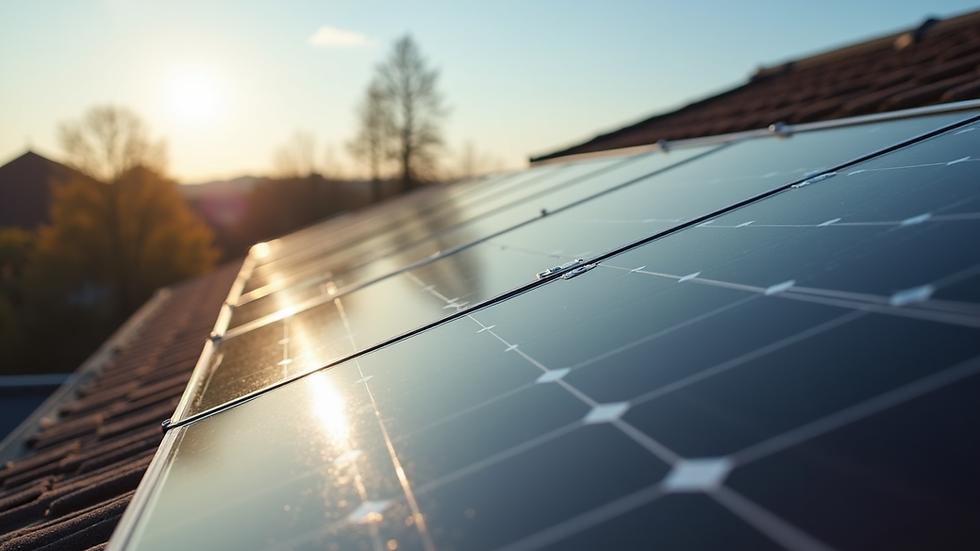
Solar energy is harnessed from the sun's rays using solar panels. These panels convert sunlight into electricity, which can be used to power your home. The technology has advanced significantly over the years, making solar energy more efficient and affordable than ever before.
How Solar Panels Work
Solar panels consist of photovoltaic (PV) cells that absorb sunlight and convert it into direct current (DC) electricity. This electricity is then converted into alternating current (AC) electricity by an inverter, making it usable for your home. Any excess energy produced can often be sent back to the grid, potentially earning you credits on your utility bill.
Types of Solar Systems
Grid-Tied Systems: These systems are connected to the utility grid. They allow you to draw power from the grid when your solar panels aren’t producing enough energy, and you can send excess energy back to the grid.
Off-Grid Systems: These systems are not connected to the utility grid and require battery storage to store excess energy for use during non-sunny periods.
Hybrid Systems: These combine both grid-tied and off-grid systems, providing flexibility and energy independence.
The Financial Benefits of Solar Energy
Switching to solar energy can lead to substantial savings over time. Here are some key financial benefits:
Reduced Energy Bills
One of the most immediate benefits of installing solar panels is the reduction in your monthly energy bills. Depending on your location and energy consumption, you could save anywhere from 20% to 50% on your electricity costs.
Tax Incentives and Rebates
Many governments offer tax credits and rebates for homeowners who install solar energy systems. In the United States, for example, the federal solar tax credit allows you to deduct a significant percentage of the cost of your solar system from your federal taxes. Some states also offer additional incentives, making solar energy even more affordable.
Increased Home Value
Homes equipped with solar energy systems often have higher property values. According to a study by the National Renewable Energy Laboratory, homes with solar panels sell for an average of 4.1% more than comparable homes without solar. This means that not only do you save on energy bills, but you also increase your investment in your property.
Protection Against Rising Energy Costs
Energy prices are notoriously volatile, often rising due to market fluctuations. By investing in solar energy, you can lock in your energy costs and protect yourself from future price hikes. This stability can be particularly beneficial for long-term financial planning.
The Environmental Impact
While saving money is a significant motivator for many homeowners, the environmental benefits of solar energy cannot be overlooked. By switching to solar, you are reducing your carbon footprint and contributing to a cleaner, more sustainable planet.
Reducing Greenhouse Gas Emissions
Solar energy is a clean, renewable source of energy that does not produce harmful emissions. By using solar power, you can significantly reduce your household's greenhouse gas emissions, helping to combat climate change.
Supporting Renewable Energy
By choosing solar, you are supporting the growth of renewable energy sources. This shift is crucial for reducing our reliance on fossil fuels and promoting a sustainable energy future.
How to Get Started with Solar Energy
If you’re considering making the switch to solar energy, here are some practical steps to get started:
Assess Your Energy Needs
Before installing solar panels, it’s essential to understand your energy consumption. Review your past utility bills to determine your average monthly usage. This information will help you choose the right size solar system for your home.
Research Local Incentives
Investigate the solar incentives available in your area. Many states and local governments offer programs that can significantly reduce the cost of installation. Websites like the Database of State Incentives for Renewables & Efficiency (DSIRE) can provide valuable information.
Choose a Reputable Installer
Selecting a qualified solar installer is crucial for ensuring a successful installation. Look for companies with good reviews, certifications, and warranties. Ask for quotes from multiple installers to compare prices and services.
Understand Financing Options
There are several financing options available for solar energy systems, including:
Cash Purchase: Paying for the system upfront can provide the best return on investment.
Solar Loans: These allow you to finance the system and pay it off over time, often with low-interest rates.
Leases and Power Purchase Agreements (PPAs): These options allow you to use solar energy without the upfront costs, but they may not provide the same long-term savings.
Monitor Your System
Once your solar panels are installed, it’s important to monitor their performance. Many systems come with monitoring software that allows you to track energy production and savings. This information can help you understand the benefits of your investment over time.
Common Misconceptions About Solar Energy
Despite the growing popularity of solar energy, several misconceptions still exist. Here are a few common myths debunked:
Solar Panels Are Too Expensive
While the initial cost of solar panels can be high, the long-term savings and available incentives make them more affordable than ever. Many homeowners find that their solar systems pay for themselves within a few years.
Solar Energy Only Works in Sunny Areas
While solar panels are most effective in sunny regions, they can still generate electricity on cloudy days. Modern solar technology is designed to capture sunlight even in less-than-ideal conditions.
Solar Panels Require Constant Maintenance
Solar panels are relatively low-maintenance. Regular cleaning and occasional inspections are usually sufficient to keep them functioning efficiently. Most manufacturers also offer warranties that cover maintenance for several years.
Conclusion
Switching to solar energy is not just an environmentally friendly choice; it’s a smart financial decision that can save you money in the long run. With reduced energy bills, tax incentives, and increased home value, the benefits of solar energy are clear. By taking the steps to assess your energy needs, research local incentives, and choose a reputable installer, you can make the transition to solar energy smoothly.
As energy prices continue to rise, investing in solar energy is a proactive step toward financial stability and environmental responsibility. Start your journey today and discover how solar energy can transform your home and your finances.
Comments